
Flying with allergies: how to manage symptoms for your pilot medical certificate

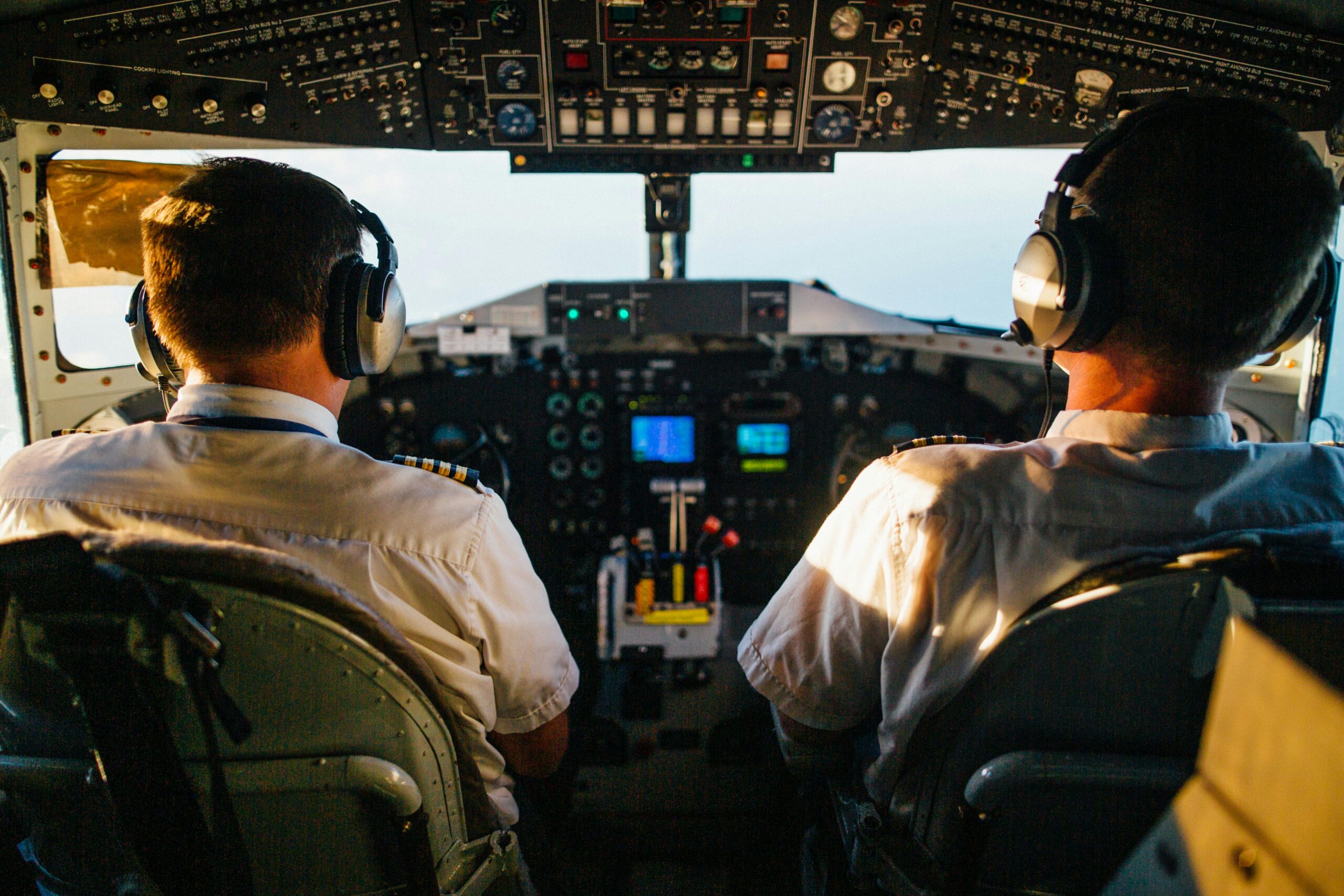
A pilot medical examination assesses your overall health and wellbeing by checking for a range of health issues, from cardiovascular to neurological conditions. If you pass the medical then you will be issued with a Class 1/2 pilot medical certificate to verify that you are physically capable of performing your role.
Any allergies must also be mentioned even though it can be easy to downplay any allergies that you have when getting ready for your medical, but it is essential that you make your AME aware of any and all medical conditions during your appointment. The severity of your allergy and its symptoms will need to be taken into consideration, and you must be able to provide evidence that your allergies are being managed before your pilot medical certificate can be issued.
Managing allergies as a pilot
For many people, allergies are a common part of daily life. They vary in severity and some of the most common allergies include:
- Seasonal allergies, including hay fever
- Nut and dairy allergies
- Allergic reactions to certain medicines e.g. penicillin
For pilots with allergies, an assessment of the condition, its severity, and its medication must be done before the pilot medical certificate can be issued. This assessment should be conducted by an AME as part of the wider pilot medical and if your allergies are found to be severe then you will require a specialist allergy report before your fitness assessment.
Allergies that do not require a specialist report, and should not restrict your ability to perform your role, include mild seasonal hay fever, historic allergies that no longer cause an allergic response, and some drug allergies as these may not be encountered on the job. Class 2 and 3 applicants with food allergies may also be considered for unrestricted certification based upon the limited risk of them being exposed to an allergen through onboard catering.
It is also worth noting that the enclosed in-flight environment can exacerbate allergy symptoms that appear less severe on the ground, so make sure that you discuss your allergies at length with us when attending your next pilot medical.
Managing symptoms
To assess your overall health and fitness, all allergic disorders (including hay fever) must be adequately treated before the fitness assessment begins. The best ways to do this are by avoiding the foods or substances that you are allergic to whenever possible, taking the relevant approved medications such as creams and tablets, and preparing for any potential emergencies by keeping your auto-injectors to hand.
What constitutes an annoyance for most people with allergies (having a runny nose and irritated eyes) can be a dangerous distraction for pilots and these symptoms can be managed with a range of medications. The use of some medication is allowed for active pilots for the management of medical conditions, but it must be reported and they must not impact your performance in-air. If you require an auto-injector then you must always carry it and a spare with you when flying, and you should also brief your co-workers on how to use it in an emergency. If you require antihistamines then only non-drowsy ones are permitted, either in the form of a nose spray or tablet, and you should only take medications that you are familiar with.
If you start any new medication, then you must observe its effect on the ground before flying to make sure that they don’t cause drowsiness or irritation, and make sure that you always inform your AME if you are intending to start any new medication.
Attending your pilot medical exam
There are so many important tasks to tick off your list when preparing for your medical examination, from having your passport and obtaining a printout of your medical history, to arriving on time for your appointment.
To make it easier for you to find the information that you need, we list everything you must bring with you to each medical, including:
- Your original passport as proof of identity.
- Your current eye prescription and corrective lenses (as needed).
- A printout of your GP summary medical history.
- Any historical medical reports.
- Details of any significant medical diagnoses and current medication (if applicable). This includes allergies, so please come to your appointment prepared with the relevant documents and ready to discuss your health at length.
Obtaining a pilot medical certificate
We provide renewal and initial examinations for all major aviation governing bodies, so click here to find the right medical for you, and contact us directly to book an appointment at a time convenient for you.